Roof Age
A roof approaching the end of its practical service life may need restoration or replacement before solar installation.
Commercial solar panel roofing installation and rooftop preparation for warehouses, office buildings, retail properties, industrial facilities, schools, churches, apartment buildings, and commercial properties throughout Los Angeles County.
DK Commercial Roofing (Los Angeles) helps property owners evaluate roof condition, membrane compatibility, drainage, flashing, penetrations, and long-term roofing needs before rooftop solar equipment is installed.
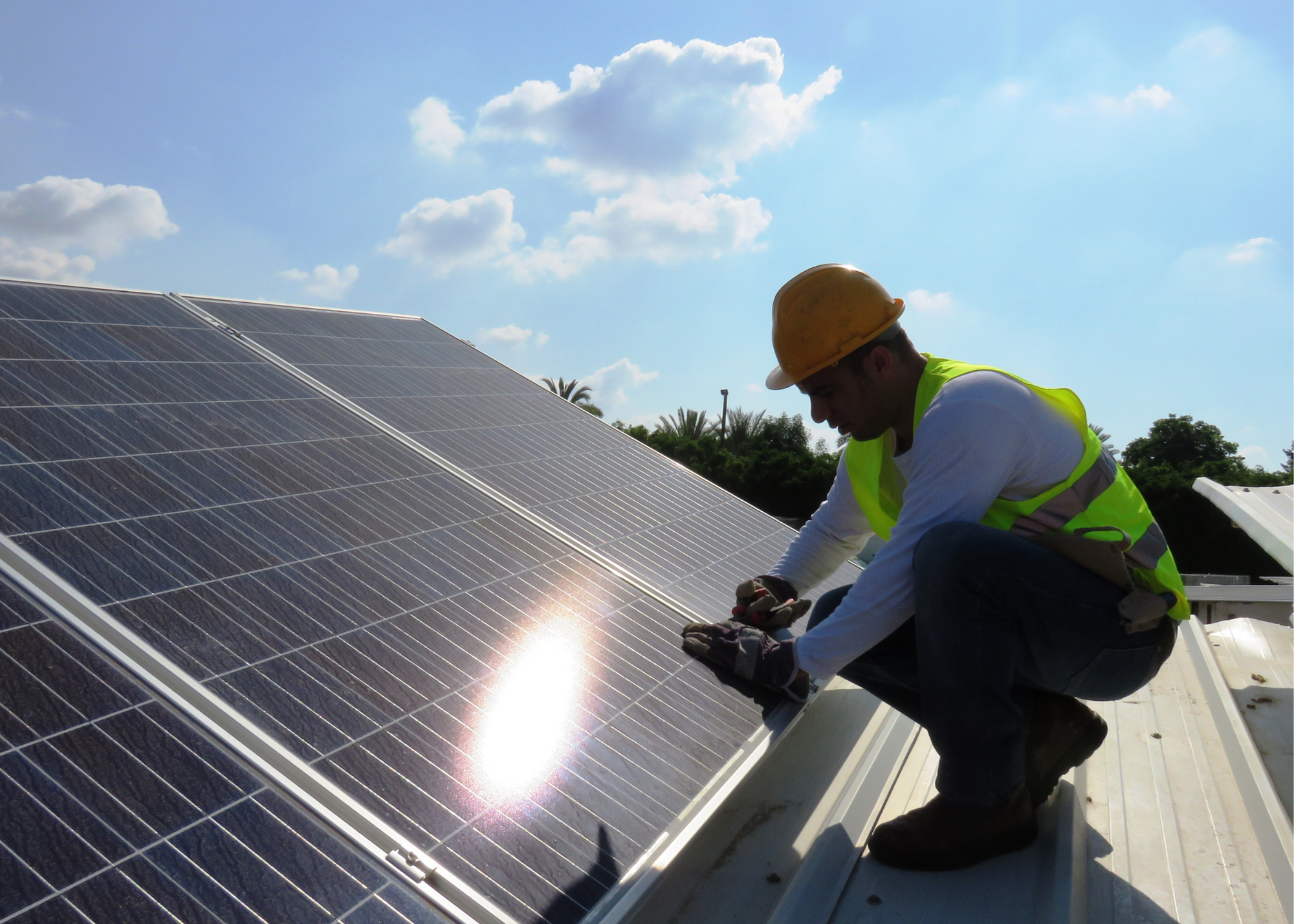
Rooftop solar can help commercial property owners use available roof space more strategically. However, installing solar panels over an aging or damaged commercial roof can create expensive complications if the roof requires major repair or replacement shortly afterward.
Before installation begins, the roof should be evaluated for active leaks, trapped moisture, membrane deterioration, damaged insulation, poor drainage, weak flashing, structural concerns, previous repairs, and the remaining service life of the existing roofing system.
As a commercial roofing contractor Los Angeles property owners can contact for roof evaluation and preparation, DK Commercial Roofing focuses on protecting the roofing system before, during, and after rooftop solar work.
DISCUSS YOUR COMMERCIAL SOLAR ROOF →A solar array can remain on the roof for years. The roofing system underneath it should be evaluated before mounting equipment, electrical components, walkways, conduits, supports, and additional rooftop penetrations are installed.
A roof approaching the end of its practical service life may need restoration or replacement before solar installation.
Cracks, punctures, open seams, deteriorated flashing, failed coatings, and worn membrane areas should be addressed first.
Existing leaks should be located and repaired before solar equipment limits access to affected areas.
The building structure and roof deck must be evaluated for the proposed equipment, mounting system, and additional loads.
Solar supports and equipment should not block drains, scuppers, gutters, drainage paths, or routine roof maintenance access.
TPO, PVC, EPDM, modified bitumen, built-up, metal, foam, and coated roofs require different waterproofing details.
Fasteners, brackets, curbs, conduits, and supports must be properly flashed into the commercial roofing system.
The final layout should preserve access for inspections, repairs, drainage cleaning, equipment service, and roof maintenance.
Solar panel installation affects more than the visible roof surface. Equipment supports, fasteners, ballast, electrical conduits, junctions, walkways, maintenance paths, flashing, and drainage must all be coordinated with the existing commercial roofing assembly.
Improperly detailed penetrations or mounting components can create vulnerable leak points. Equipment placed too close to drains, walls, rooftop units, seams, or existing repairs can also make future roof maintenance more difficult.
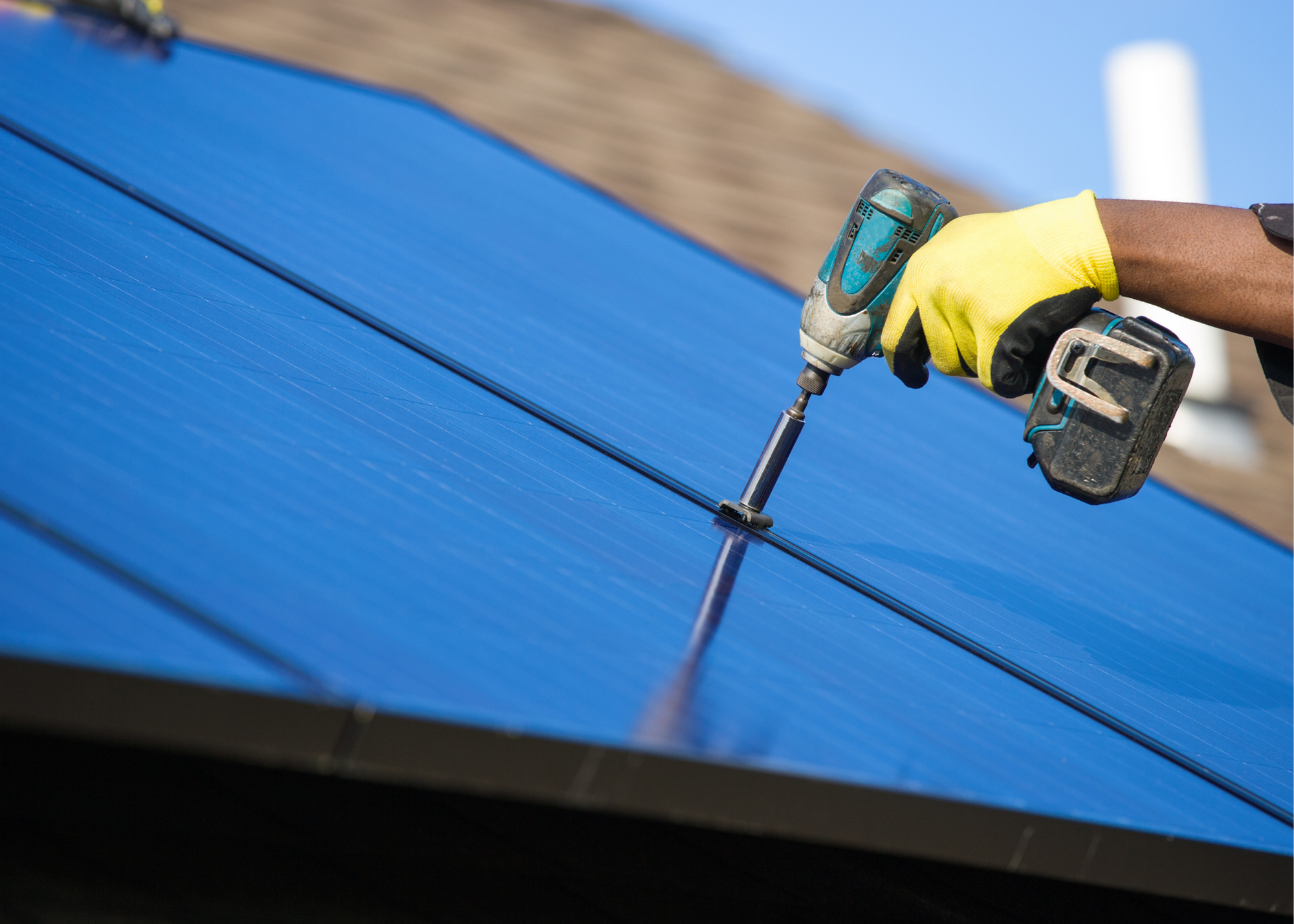
Each commercial roofing system requires compatible attachment, flashing, protection, and access details. The roof type should be identified before installation planning begins.
Mounts and penetrations must be flashed with compatible TPO materials and heat-welded membrane details where required.
PVC membrane roofs require compatible flashing components, protection pads, and careful coordination around welded seams.
Attachments and penetrations must be detailed using compatible rubber membrane, adhesives, tapes, and flashing materials.
Supports and penetrations should integrate with reinforced asphalt-based flashing and properly sealed transitions.
Mounting must account for panel seams, thermal movement, fasteners, coatings, drainage, and the specific roof profile.
Coated roofs may require repairs, reinforcement, compatible sealants, and recoating around supports and installation areas.
Installing solar equipment over an aging, leaking, or improperly prepared commercial roof can create expensive complications later. Inspecting and preparing the roofing system first helps protect the building and preserve future maintenance access.
A coordinated roof and solar project can support the property's energy goals while protecting roof performance, drainage, maintenance access, and long-term building operations.
Large flat and low-slope commercial roofs can provide valuable space for rooftop solar equipment.
Rooftop solar may help reduce reliance on purchased electricity, depending on system design and building use.
Proper preparation can reduce the likelihood of installing solar equipment over unresolved roofing problems.
Coordinating roof life with solar installation can reduce future removal and reinstallation complications.

Once solar equipment is installed, portions of the roof may become more difficult to inspect, repair, clean, and maintain. Correcting roofing problems beforehand can help avoid unnecessary equipment removal later.
A Los Angeles commercial roofing contractor should review the membrane, insulation, flashing, deck, drainage, penetrations, seams, previous repairs, roof age, and expected remaining service life.
Installing solar panels over a commercial roof with limited remaining service life can create additional labor and expense if the equipment must later be removed for major roofing work.
Repair may be appropriate when the existing roof remains serviceable and problems are limited to specific seams, flashing, penetrations, punctures, coating areas, or drainage details.
Commercial roof replacement may be more practical when the roof has widespread deterioration, recurring leaks, damaged insulation, limited remaining life, or major system failure.
A commercial roof inspection can help determine whether targeted repairs, restoration, or commercial roof replacement should happen before solar work begins.
Review membrane condition, age, drainage, flashing, penetrations, leaks, moisture concerns, and previous repairs.
Identify mounting areas, equipment locations, electrical routing, access paths, drainage zones, and service clearances.
Confirm whether maintenance, repair, restoration, coating, or replacement is required before solar work begins.
Repair damaged membrane, flashing, seams, penetrations, coating areas, drains, and vulnerable roof details.
Protect the membrane and coordinate compatible supports, penetrations, walkways, flashing, and maintenance access.
Inspect installation areas, flashing, membrane damage, debris, drainage, and completed waterproofing details.
A completed solar installation should preserve access to rooftop equipment, drainage components, perimeter details, flashing, seams, and designated maintenance areas.
Roofing membranes should also be protected from repeated foot traffic, dropped tools, dragged materials, sharp equipment, and installation debris.
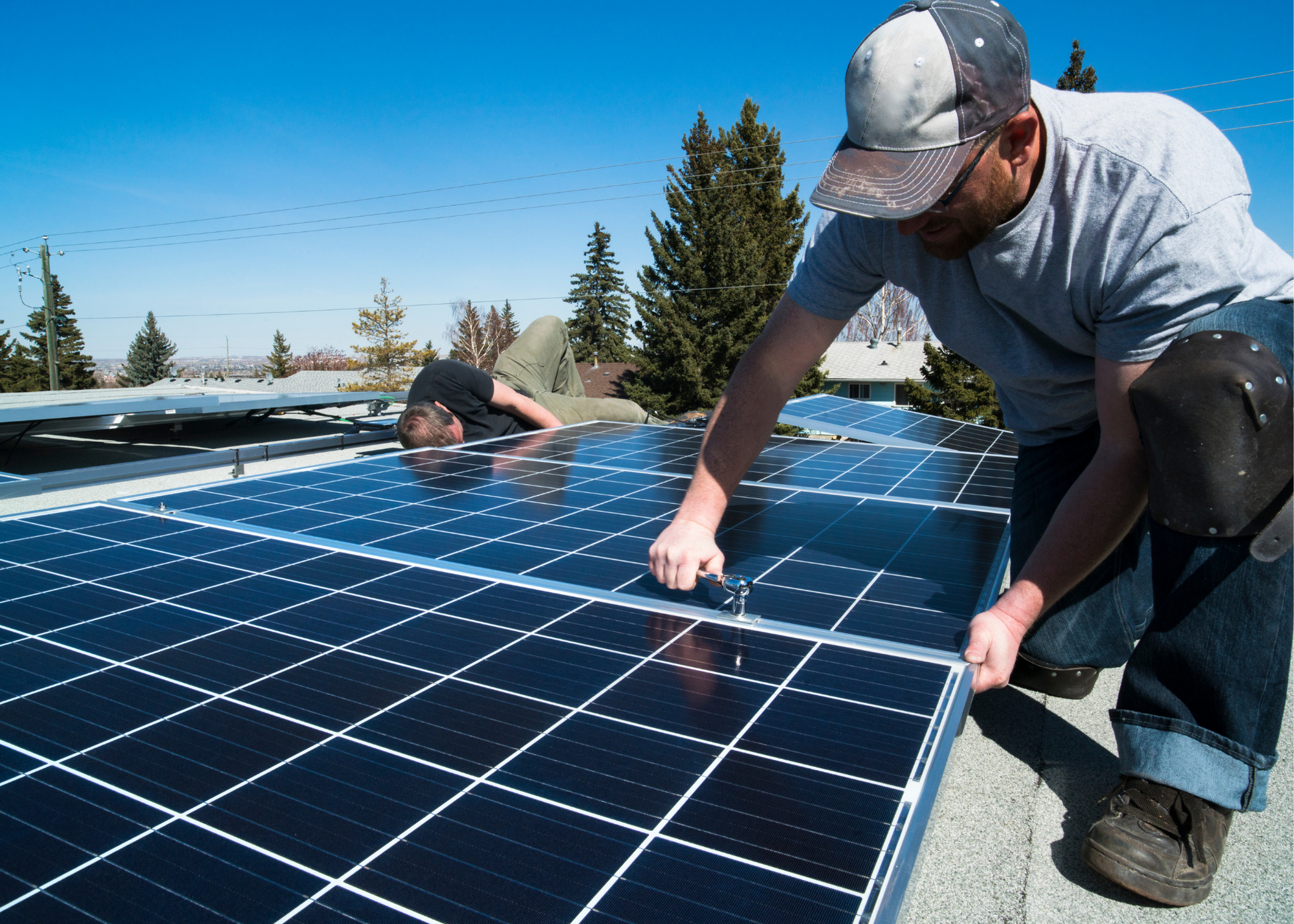
DK Commercial Roofing (Los Angeles) supports roof evaluation, preparation, repair, replacement, and solar roofing coordination for a range of commercial and institutional properties.
Property owners comparing commercial roofing companies Los Angeles buildings may rely on should look for clear roof-condition guidance, compatible materials, practical planning, and attention to long-term roof access.
The roofing system should be evaluated before solar panels or additional mounting equipment are installed.
Yes. An inspection can identify leaks, membrane deterioration, damaged insulation, poor drainage, flashing problems, punctures, aging materials, and other concerns that may be harder to address after solar equipment is installed.
Replacement may be appropriate when the roof has limited remaining service life, recurring leaks, widespread moisture, deteriorated insulation, or extensive membrane failure.
Yes, when the mounting system, penetrations, flashing, protection pads, walkways, and membrane details are compatible with the TPO roofing system.
Solar equipment can be installed on many metal roofing systems, but the panel profile, seams, coatings, thermal movement, drainage, structural support, and mounting system must be evaluated.
Leaks may develop when penetrations, fasteners, curbs, conduits, flashing, or damaged membrane areas are not properly waterproofed.
Contractors should use designated access paths, avoid dragging equipment, protect vulnerable surfaces, remove debris, and repair accidental membrane damage.
Access depends on the solar layout and the location of the roofing problem. Some equipment may need to be temporarily removed or repositioned.
Schedule a commercial roof inspection before your solar project begins. Tell us about your property, roof age, roofing system, existing leaks, planned solar equipment, and long-term building goals.